Hair
/
Feb 19, 2026
Tips to Grow Healthy Long Hair: A Complete Guide
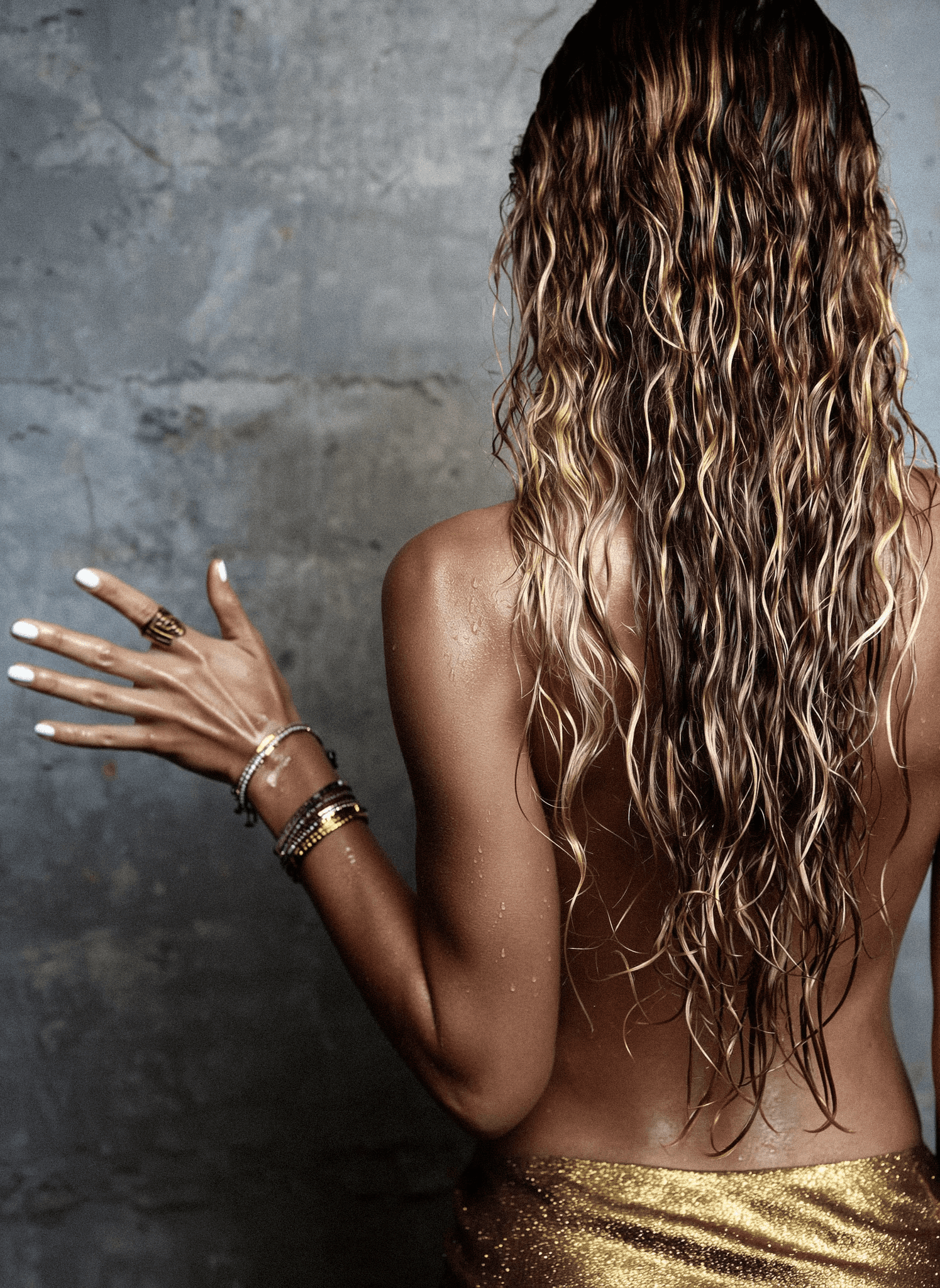
Growing long, strong, and healthy hair is not just about genetics; it requires care, consistency, and mindful choices tailored to your hair type and lifestyle. Caring for natural hair, in particular, can be challenging if it’s not treated properly. If you’ve been searching for how to grow healthy long hair, this guide covers everything: scalp health, nutrition, protective routines, washing tips, and lifestyle habits.
The truth? There are no shortcuts. But there are proven strategies that work over time. Here’s everything you need to know.
Start at the Root: Daily Scalp Massage
Healthy hair begins at the scalp, which serves as the foundation for growth, the healthier your scalp, the stronger your hair will be. One of the most effective habits for promoting hair growth is a daily scalp massage. Spending just five minutes each day massaging your scalp with your fingertips or a massage tool can increase blood flow to the follicles, deliver oxygen and nutrients to the roots, and relieve tension, a major contributor to hair loss. For added nourishment and stimulation, a few times a week you can apply a lightweight natural oil, such as jojoba, avocado, or rosemary-infused oil, during your massage.
Key Vitamins for Hair Health
If your hair isn’t growing as expected, internal factors could be the reason. Rather than guessing, consider getting a blood test to check essential nutrients for hair health, including iron, which supports oxygen flow to follicles; vitamin D, which activates hair growth cycles; zinc, necessary for tissue repair and growth; biotin, which promotes keratin production; silica, which strengthens hair structure; and omega-3 fatty acids, which support scalp hydration.
Hair is made of protein, so maintaining a balanced diet is essential. Focus on protein-rich foods like eggs, fish, beans, and lean meats, include healthy fats such as salmon, chia seeds, and avocado, and eat plenty of leafy greens like spinach, beet greens, and kale for iron and vitamins. Don’t forget antioxidant-rich foods like berries, sweet potatoes, and nuts to support overall hair health. Remember, food should always be your first source of nutrients, supplements are a tool, not a shortcut.
However, there are some golden rules to follow: never start supplements without testing, as too much of certain nutrients, like iron, can be harmful. Understand your individual results, standard 'normal' ranges aren’t always optimal for everyone, so review your results carefully and, if possible, discuss them with a knowledgeable professional. Always aim to correct deficiencies through food first, using supplements only when truly needed. Be mindful of interactions, as some supplements don’t work well together, and caffeine or dairy can reduce iron absorption. Finally, allow your body breaks from supplements so it can maintain balance naturally. Personalized care is the key to achieving healthy hair growth.
Manage Stress: Your Hair Will Thank You
Stress can literally push your hair into a shedding phase, so if you’ve noticed sudden thinning after a stressful period, this could be the reason. To manage stress, incorporate mindful practices like yoga, meditation, or journaling, and stay active, regular exercise helps balance hormones and improves circulation. Just as important is prioritizing sleep, since your body repairs itself and your hair grows while you rest. A calm mind truly equals healthier hair.
Learn Your Hair Type & Porosity
Not all hair care routines work for everyone, which is why understanding your hair type and porosity is so important. Low-porosity hair has a tightly closed cuticle, making it harder for moisture to enter, it benefits most from lightweight hydration and gentle heat to help masks penetrate. High-porosity hair, on the other hand, absorbs moisture easily but loses it just as quickly, requiring richer creams, oils, and protein-based treatments. Once you know your porosity, you can select masks, conditioners, and oils that truly work for your hair.
Be Gentle: Detangle & Protect
Never rip through tangles. Use a wide-tooth comb or your fingers, starting from the ends and working up. Remember that hair is fragile, so handle it with care.
Extra tip: pre-poo hair before detangling.
Washing Your Hair: Find What Works for You
When it comes to washing your hair, there’s no one-size-fits-all rule, the best routine depends on your hair type, scalp condition, and lifestyle. Some people thrive by washing twice a week, others prefer daily washes, and some do well every two weeks. Washing only once a month, however, is rarely ideal, especially for curly or low-porosity hair, which tends to experience heavy product build-up.
The key is to listen to your scalp and hair: if your scalp feels itchy, flaky, or oily, it’s time for a wash. Choose your shampoo according to your needs, a clarifying shampoo when there’s build-up or your hair feels heavy, and a hydrating shampoo when your strands need extra moisture. Don’t be afraid to alternate shampoos depending on what your hair needs at that moment.
For curls, it helps to comb your hair before washing to remove knots, then gently detangle during the wash while the shampoo is in. Adding a touch of oil to your ends beforehand can also protect them from dryness. And remember: wash your hair, not just your scalp. While your scalp requires the most cleansing, product and oil can coat the entire strand over time. A thorough cleanse not only keeps your hair healthy but also ensures that conditioners and masks can work effectively.
Weekly Treatments Are Non-Negotiable
Make time for a deep conditioning mask at least once a week to keep your hair strong and nourished. If you have low-porosity hair, use heat or wrap your hair in a warm towel to help the treatment absorb more effectively. For high-porosity hair, opt for protein-enriched or strengthening masks to minimize breakage. Consistent weekly treatments are essential to support healthy growth.
Trimming Tips: On Your Terms
Regular trims prevent split ends from traveling up the hair shaft and help keep your length healthy. Trimming every 12 weeks is usually enough, but if you’ve ever left the salon with more cut off than you wanted, consider learning to dust your own ends at home. Use sharp hair scissors, work in sections, and train your eye to recognize split or dead ends. Trim only tiny amounts from the very tips, watch tutorials, and take it slow. By learning to dust your own ends, you stay in control of your hair’s length while still keeping it healthy.
Protect Your Hair Every Day
Your ends are the oldest and most fragile part of your hair, so handle them with extra care. Use silk scrunchies instead of elastic bands, sleep on a silk pillowcase, and cover your hair with a silk bonnet or scarf when lounging. Avoid overly tight hairstyles, protective styles should safeguard your hair, not stress your scalp. Remember, tight braids or ponytails aren’t always protective.
Hair needs sun protection too. When tanning, cover your hair with a silk scarf or bonnet, or apply a UV-protectant spray. Before swimming, coat your hair with conditioner or a nourishing mask to minimize damage, and always rinse it immediately afterward, especially after exposure to seawater.
Tip: Consistent use of silk reduces breakage, retains moisture, and supports healthy hair growth, making it a simple yet powerful addition to your hair care routine.
Minimize Chemical Stress
Harsh dyes and bleach weaken hair structure. If you love color, consider gentler alternatives like henna (if it suits your hair goals) or low-ammonia dyes.
Final Thought: Healthy Hair Is a Lifestyle
Growing long, healthy hair isn’t about overnight miracles. It’s about consistent habits: scalp care, balanced nutrition, stress management, and protective routines. Add silk into your daily life, keep your ends safe, and listen to your hair, it tells you what it needs.