The Silk Compendium
The Silk Compendium
Silk
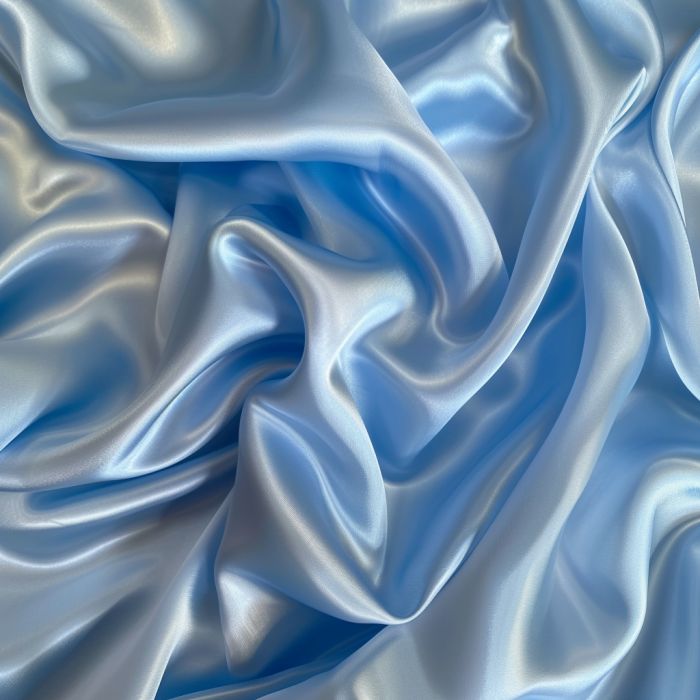
Silk is one of the oldest natural fibers in the world, with records of sericulture dating back to 5000 BCE. Once reserved for royalty, it earned the title “The Queen of Fabrics” for its elegance, shine, and soft feel. Today, silk remains synonymous with timeless style and quality. Silk naturally adapts to temperature, keeping you cool in summer and warm in winter. Its self-cleaning properties mean that simply airing a garment is often enough to refresh it. Different weaving techniques and blends create a variety of textures, from lightweight crêpe de chine to plush velvet and breathable linen-silk blends.
Silk
Silk is one of the oldest natural fibers in the world, with records of sericulture dating back to 5000 BCE. Once reserved for royalty, it earned the title “The Queen of Fabrics” for its elegance, shine, and soft feel. Today, silk remains synonymous with timeless style and quality. Silk naturally adapts to temperature, keeping you cool in summer and warm in winter. Its self-cleaning properties mean that simply airing a garment is often enough to refresh it. Different weaving techniques and blends create a variety of textures, from lightweight crêpe de chine to plush velvet and breathable linen-silk blends.
Silk
Silk is one of the oldest natural fibers in the world, with records of sericulture dating back to 5000 BCE. Once reserved for royalty, it earned the title “The Queen of Fabrics” for its elegance, shine, and soft feel. Today, silk remains synonymous with timeless style and quality. Silk naturally adapts to temperature, keeping you cool in summer and warm in winter. Its self-cleaning properties mean that simply airing a garment is often enough to refresh it. Different weaving techniques and blends create a variety of textures, from lightweight crêpe de chine to plush velvet and breathable linen-silk blends.
Understanding Momme
Momme is the traditional unit used to measure the weight and density of silk. A higher momme count indicates a heavier, stronger, and more durable fabric with enhanced shine. Originating in Japan, momme (匁) appeared as a unit of mass during the Bunmei period in 1484 and remains a key measure in the silk and pearl industries today. In the 19th century, momme replaced thread counts as a more reliable standard, since thread thickness could vary between silk cocoons. Even after Japan officially adopted the metric system in the early 20th century, momme continued to serve as the preferred traditional measure for silk.
Understanding Momme
Momme is the traditional unit used to measure the weight and density of silk. A higher momme count indicates a heavier, stronger, and more durable fabric with enhanced shine. Originating in Japan, momme (匁) appeared as a unit of mass during the Bunmei period in 1484 and remains a key measure in the silk and pearl industries today. In the 19th century, momme replaced thread counts as a more reliable standard, since thread thickness could vary between silk cocoons. Even after Japan officially adopted the metric system in the early 20th century, momme continued to serve as the preferred traditional measure for silk.
Understanding Momme
Momme is the traditional unit used to measure the weight and density of silk. A higher momme count indicates a heavier, stronger, and more durable fabric with enhanced shine. Originating in Japan, momme (匁) appeared as a unit of mass during the Bunmei period in 1484 and remains a key measure in the silk and pearl industries today. In the 19th century, momme replaced thread counts as a more reliable standard, since thread thickness could vary between silk cocoons. Even after Japan officially adopted the metric system in the early 20th century, momme continued to serve as the preferred traditional measure for silk.
Weaving Techniques
Silk’s beauty and quality are shaped by the way it is woven. Each technique produces distinct textures and characteristics, from the glossy smoothness of satin to the soft richness of velvet and the elegant drape of charmeuse. These weaves influence not only how the fabric looks and feels, but also its weight, durability, and intended use. Modern weaving innovations and silk blends allow for even greater versatility, combining traditional craftsmanship with new materials to enhance strength, breathability, and comfort without losing silk’s natural elegance.
Weaving Techniques
Silk’s beauty and quality are shaped by the way it is woven. Each technique produces distinct textures and characteristics, from the glossy smoothness of satin to the soft richness of velvet and the elegant drape of charmeuse. These weaves influence not only how the fabric looks and feels, but also its weight, durability, and intended use. Modern weaving innovations and silk blends allow for even greater versatility, combining traditional craftsmanship with new materials to enhance strength, breathability, and comfort without losing silk’s natural elegance.
Weaving Techniques
Silk’s beauty and quality are shaped by the way it is woven. Each technique produces distinct textures and characteristics, from the glossy smoothness of satin to the soft richness of velvet and the elegant drape of charmeuse. These weaves influence not only how the fabric looks and feels, but also its weight, durability, and intended use. Modern weaving innovations and silk blends allow for even greater versatility, combining traditional craftsmanship with new materials to enhance strength, breathability, and comfort without losing silk’s natural elegance.